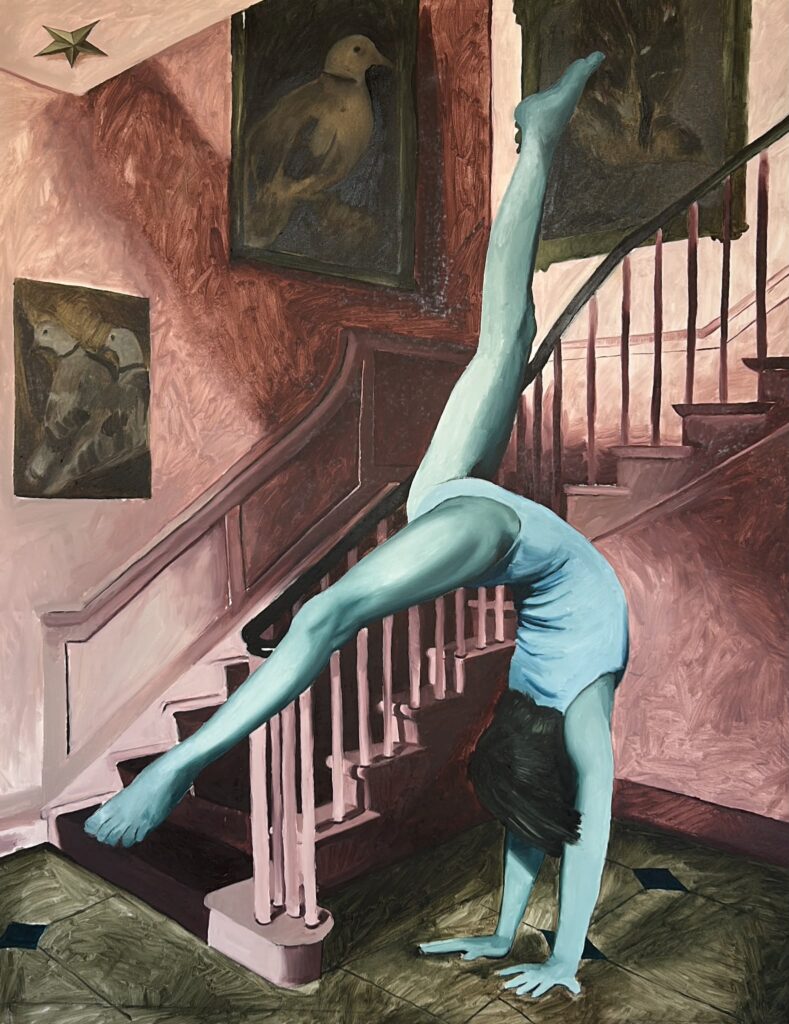
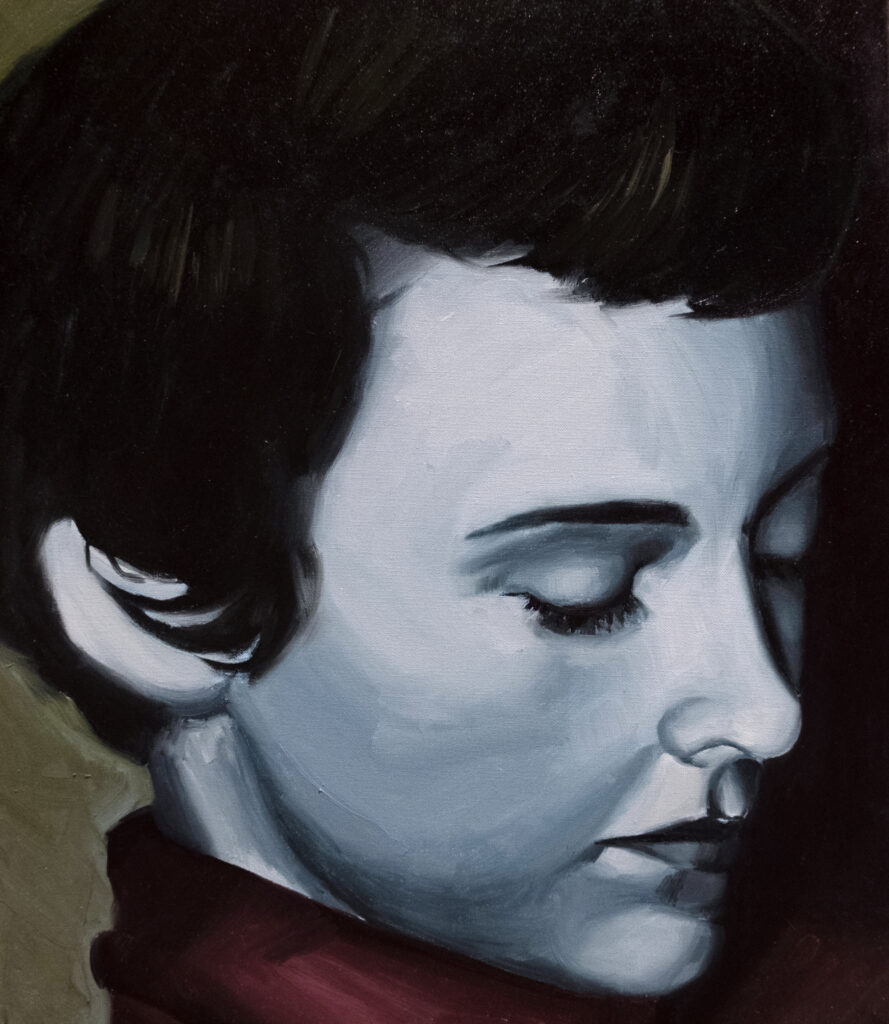
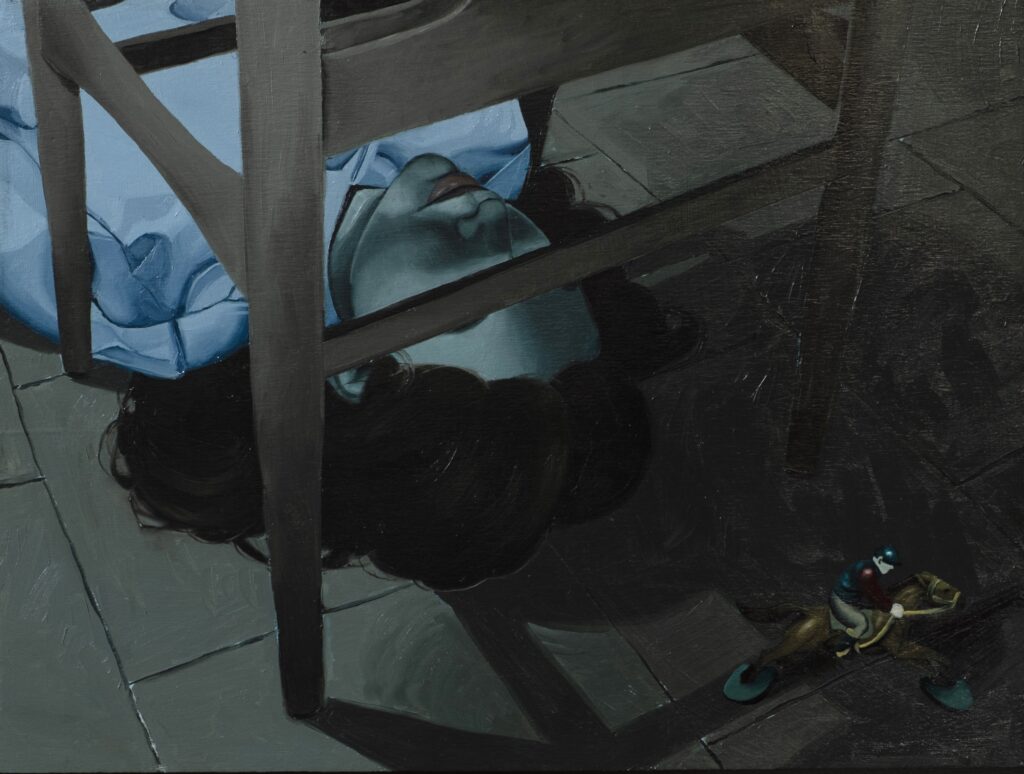
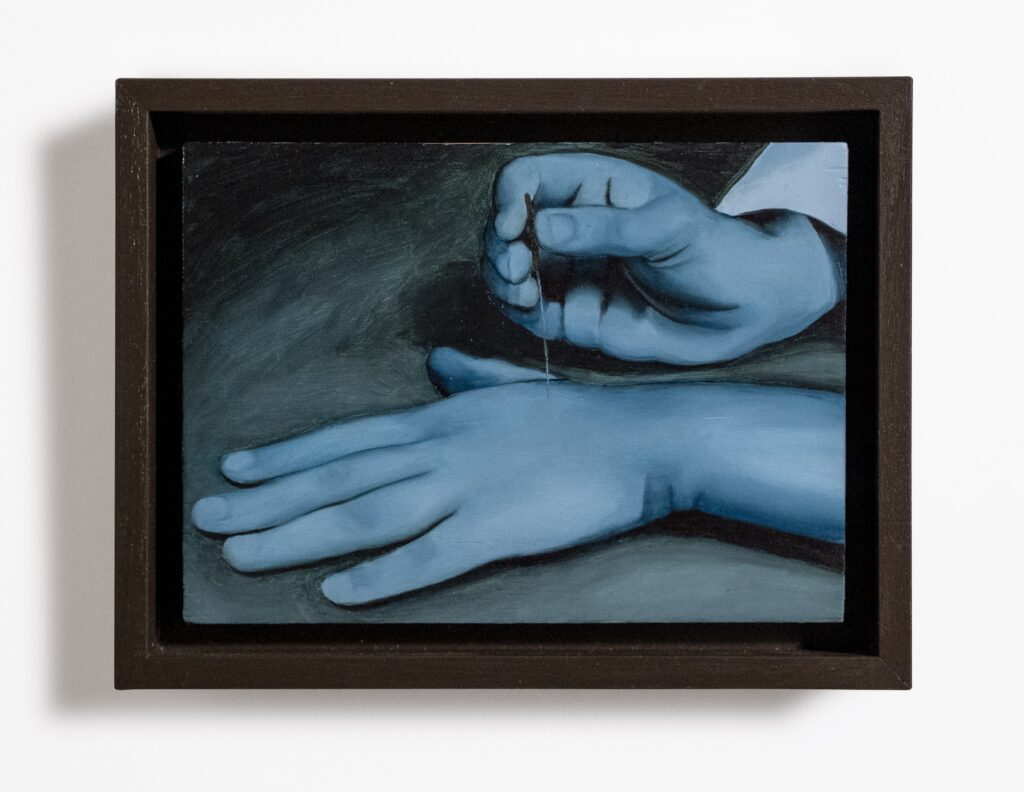
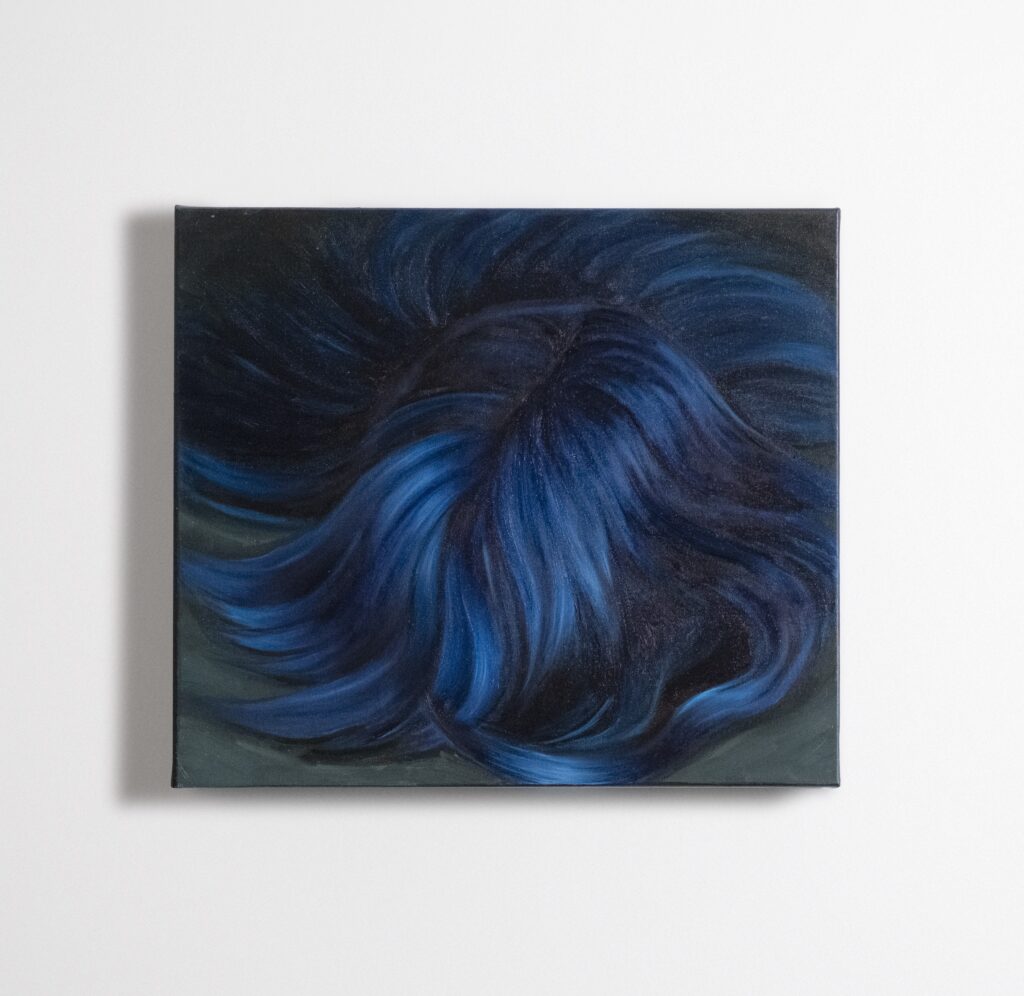
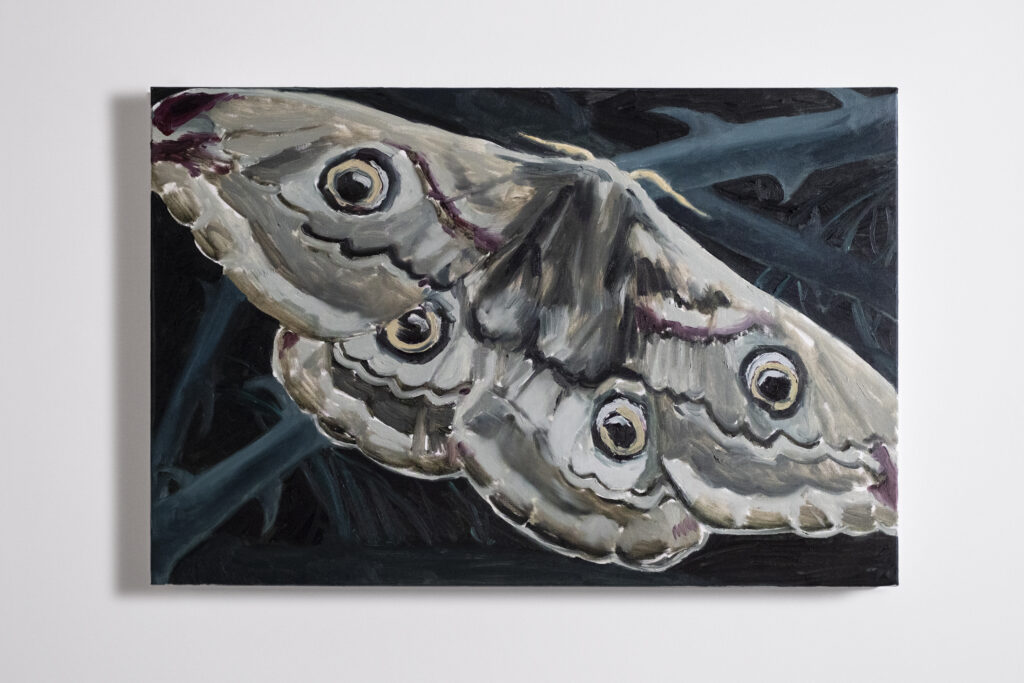
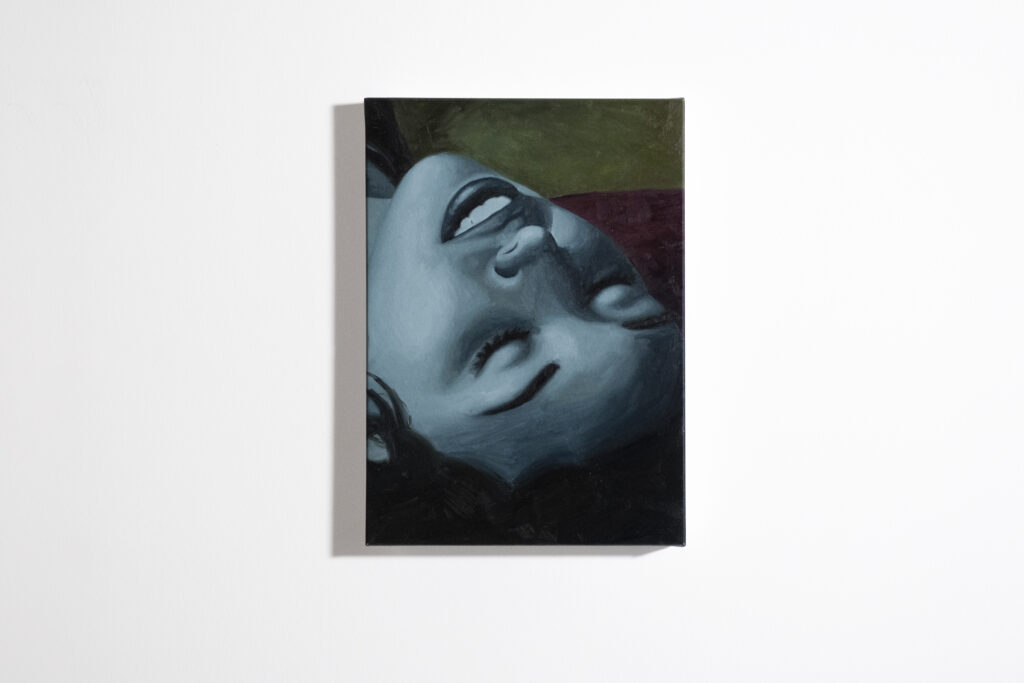
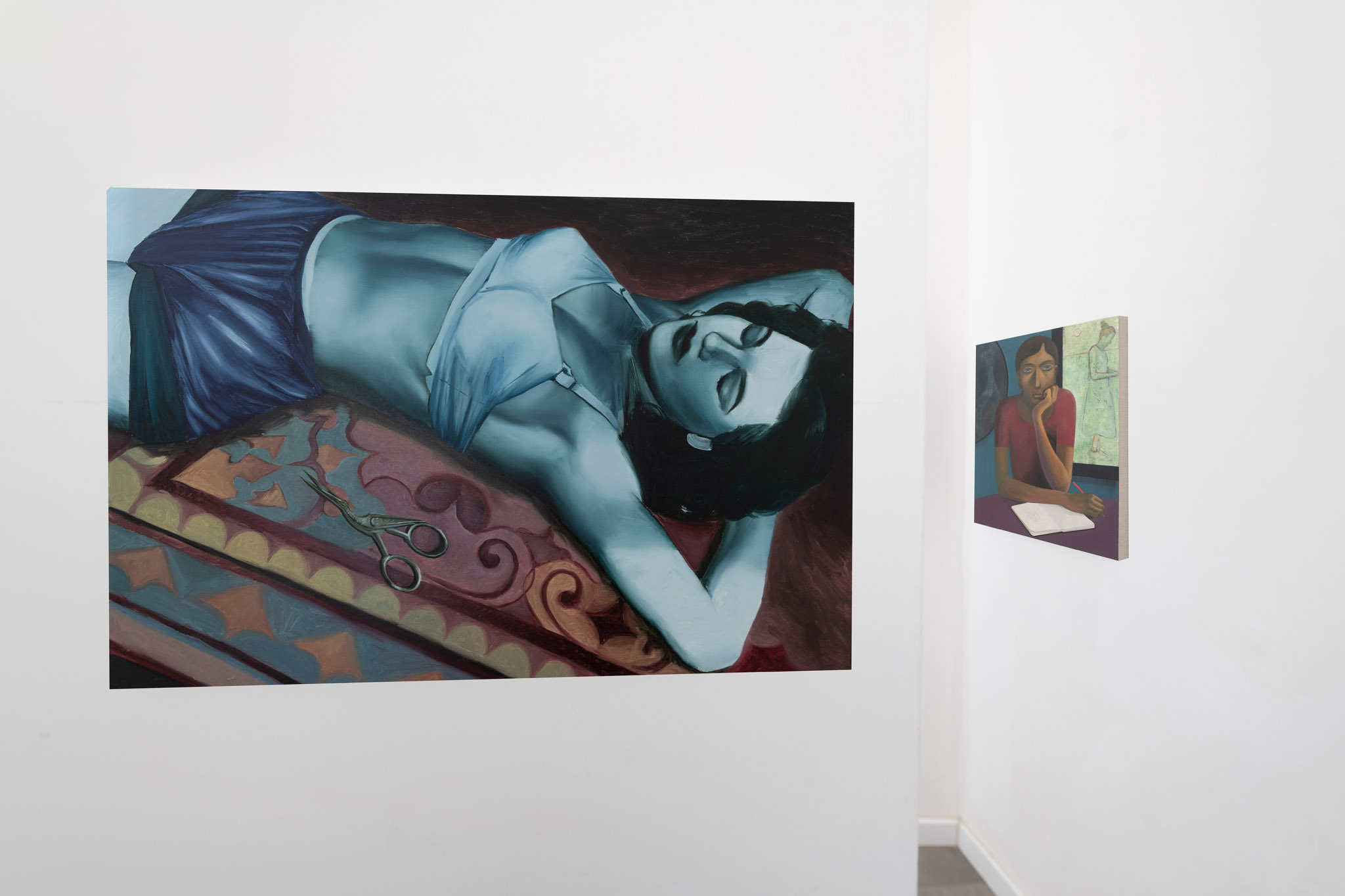
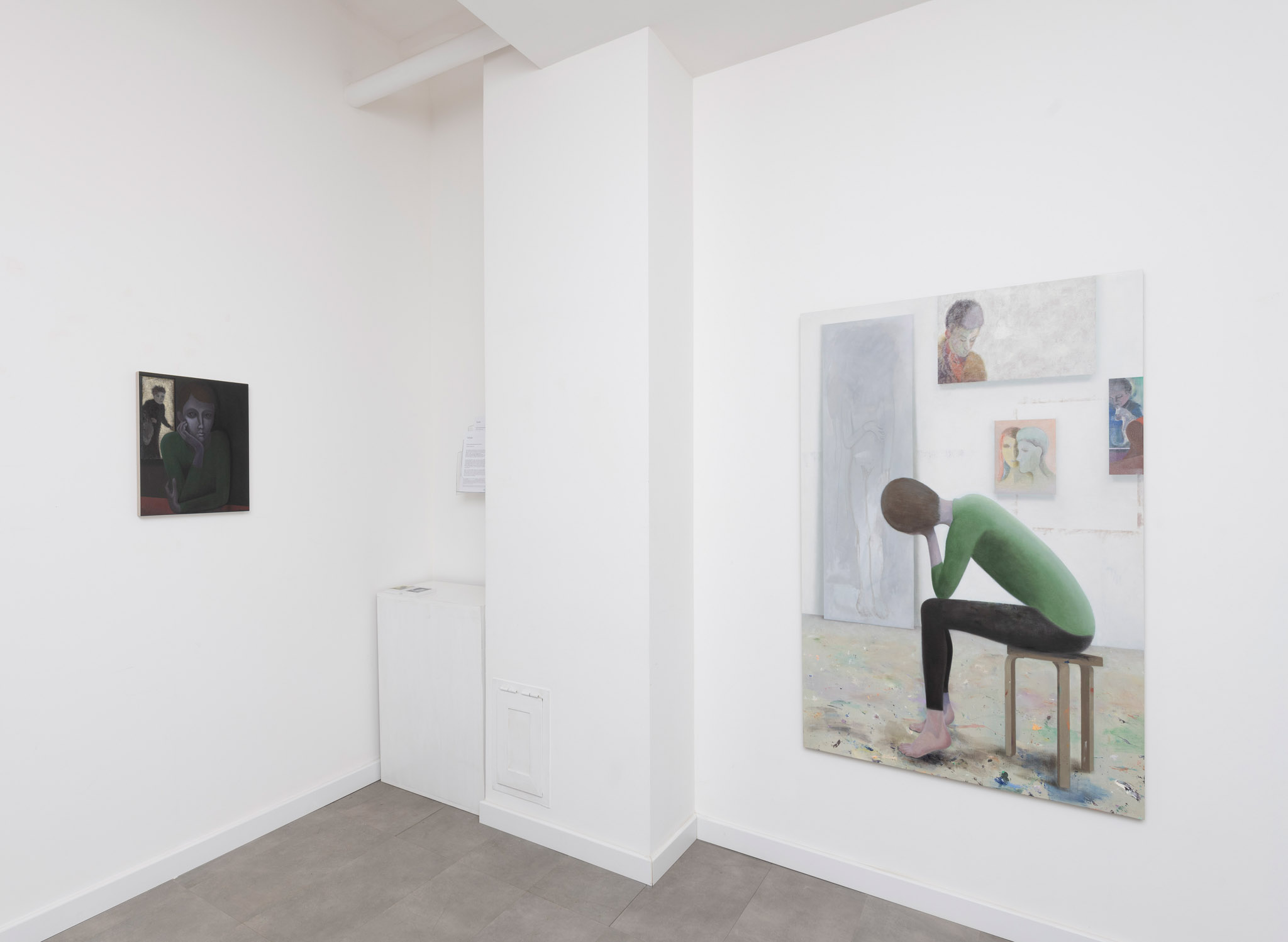
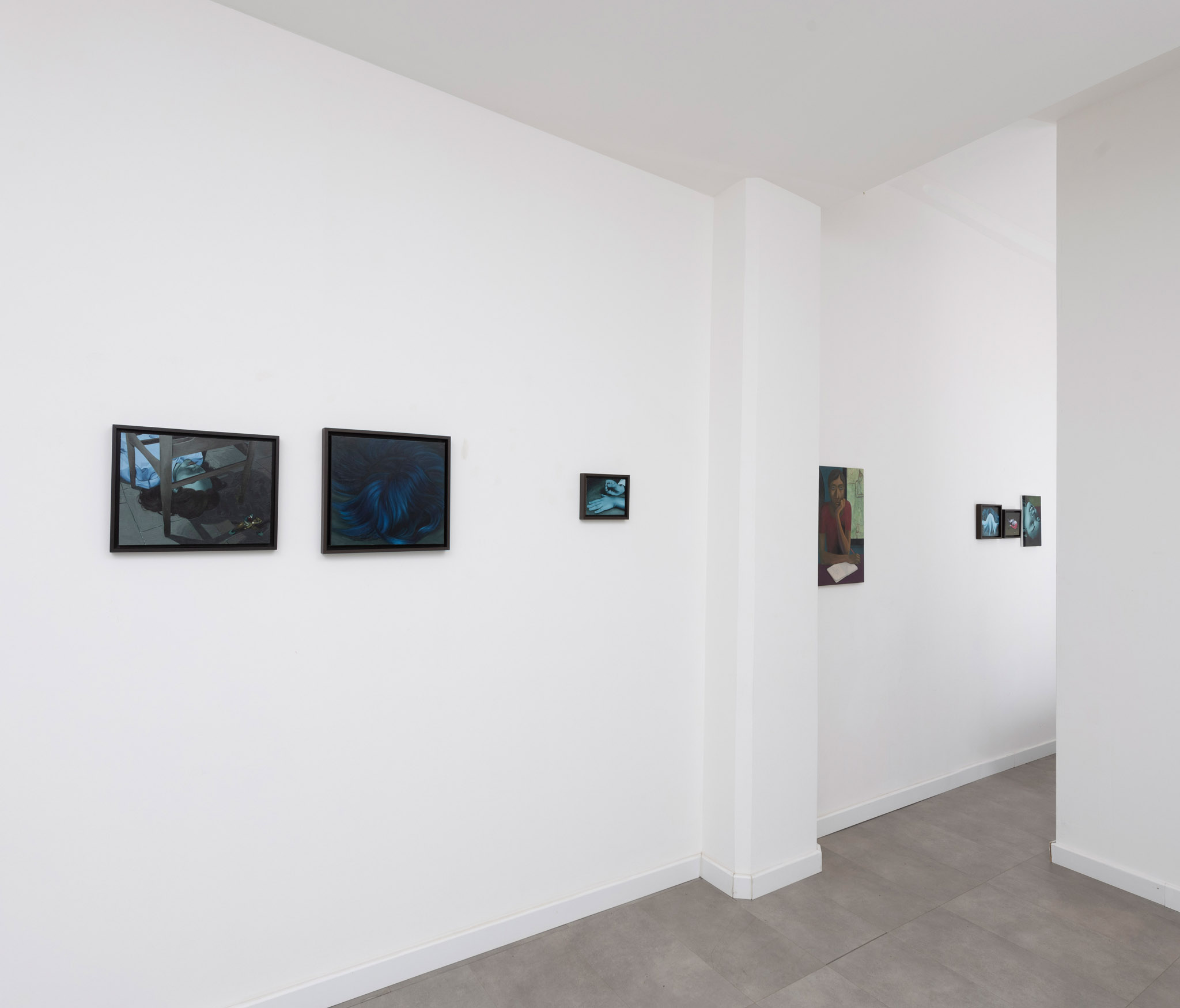
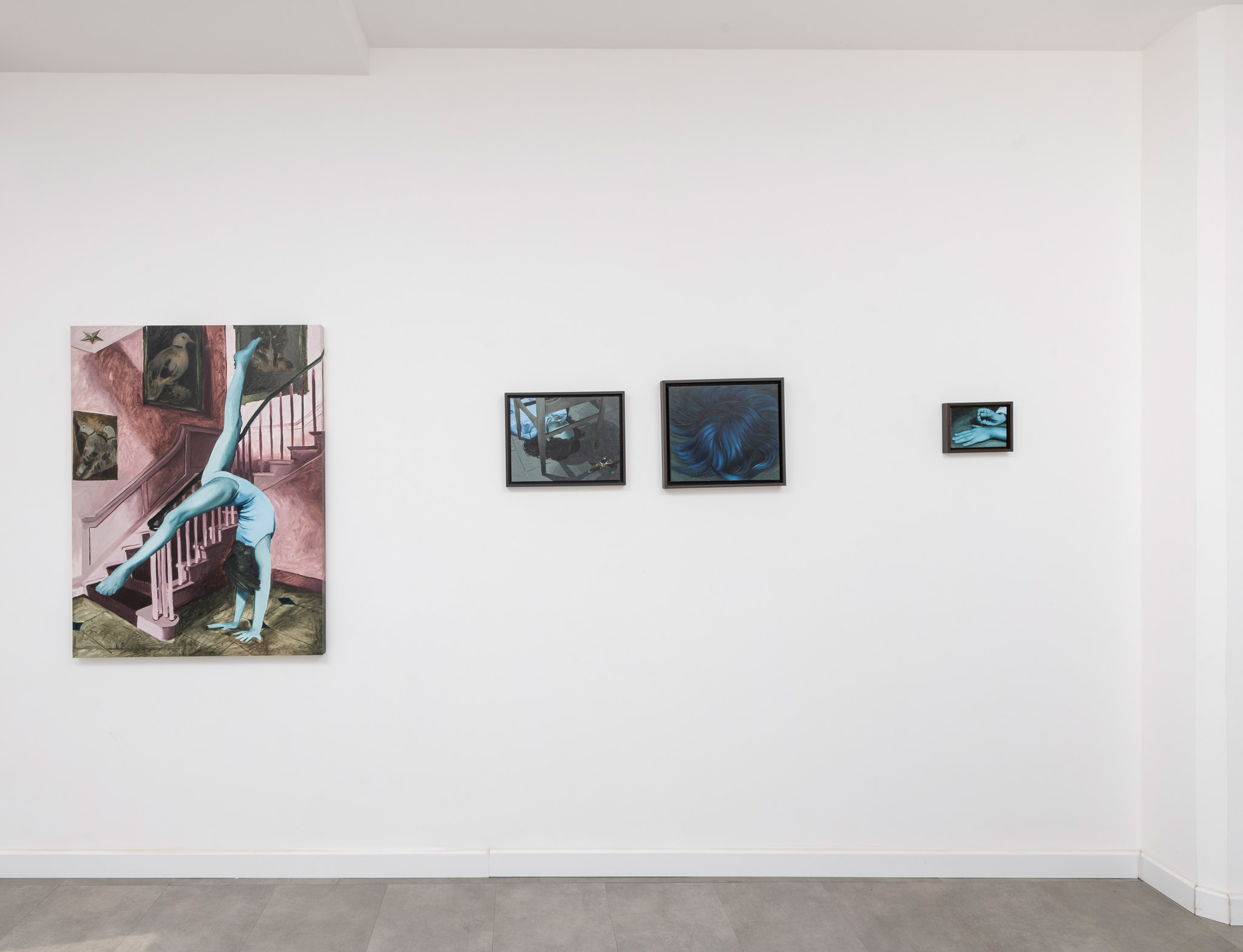
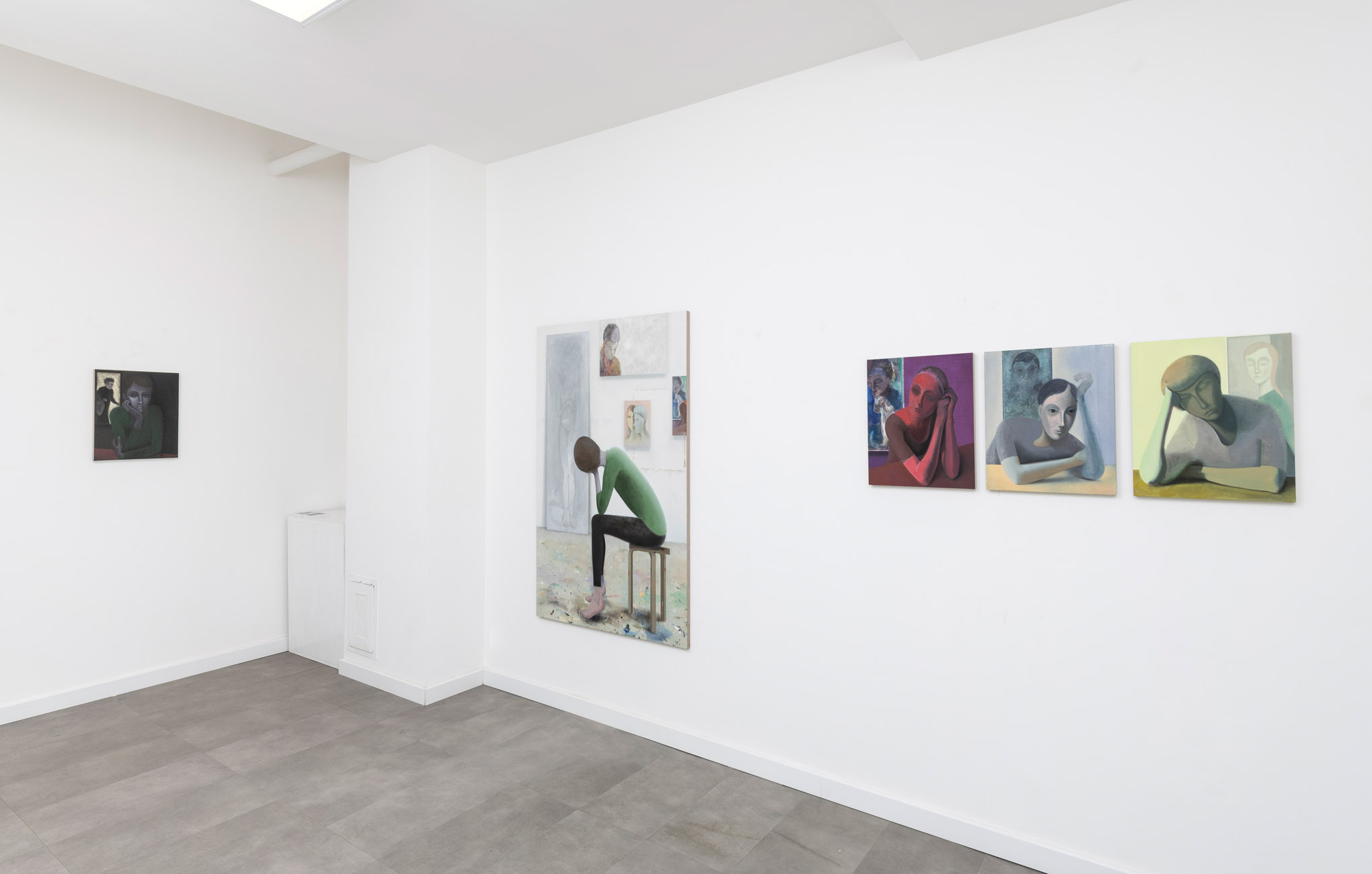
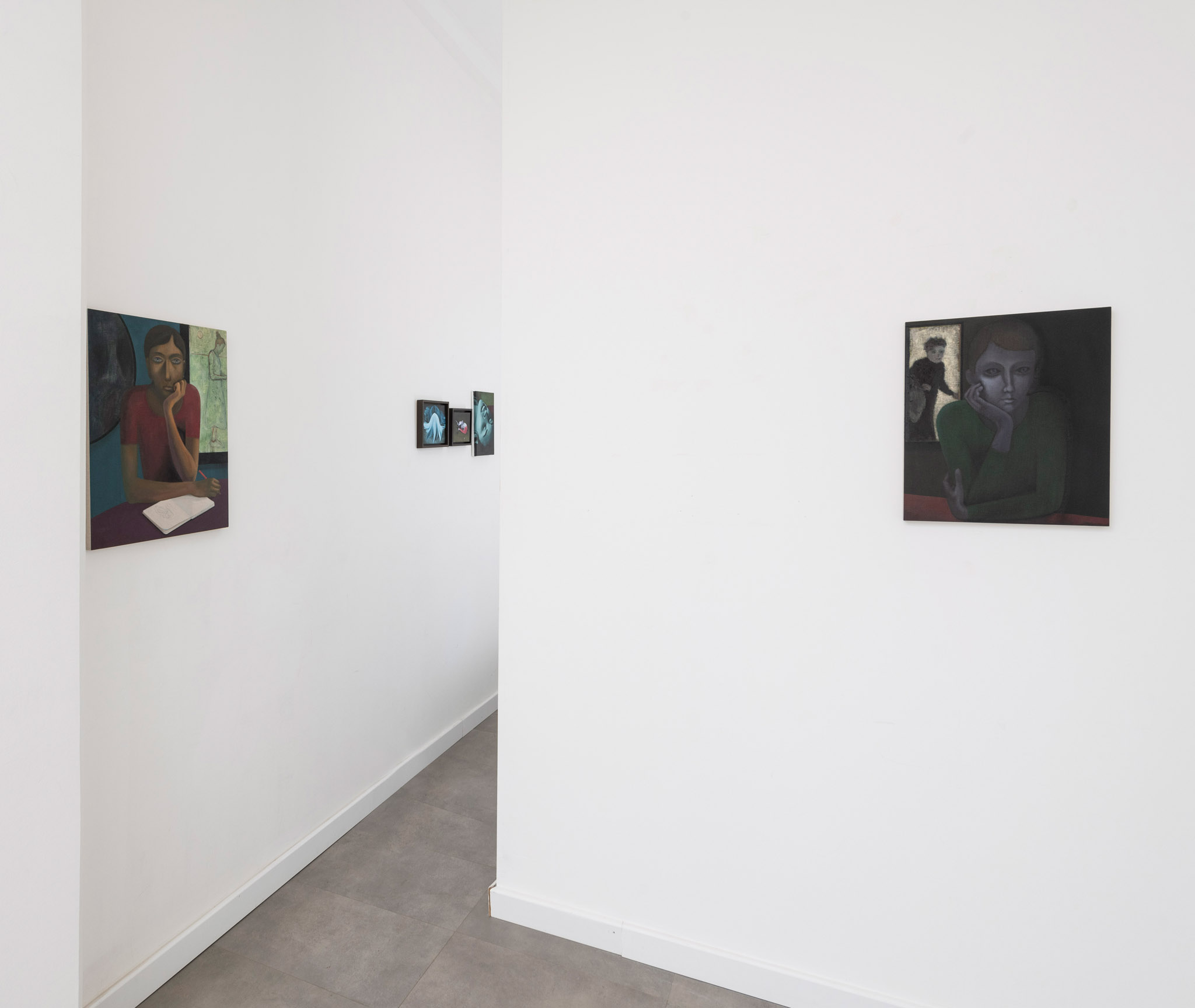
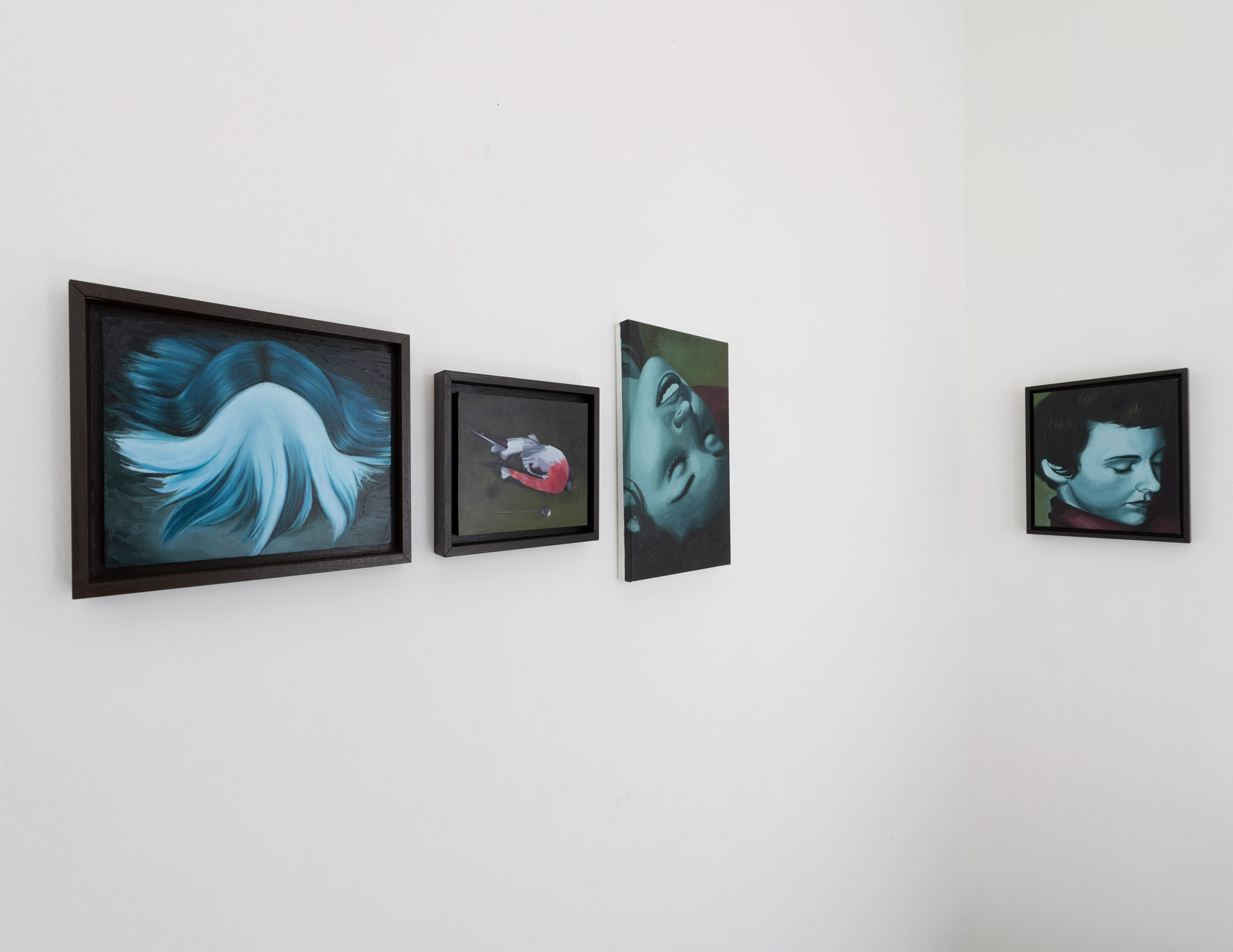
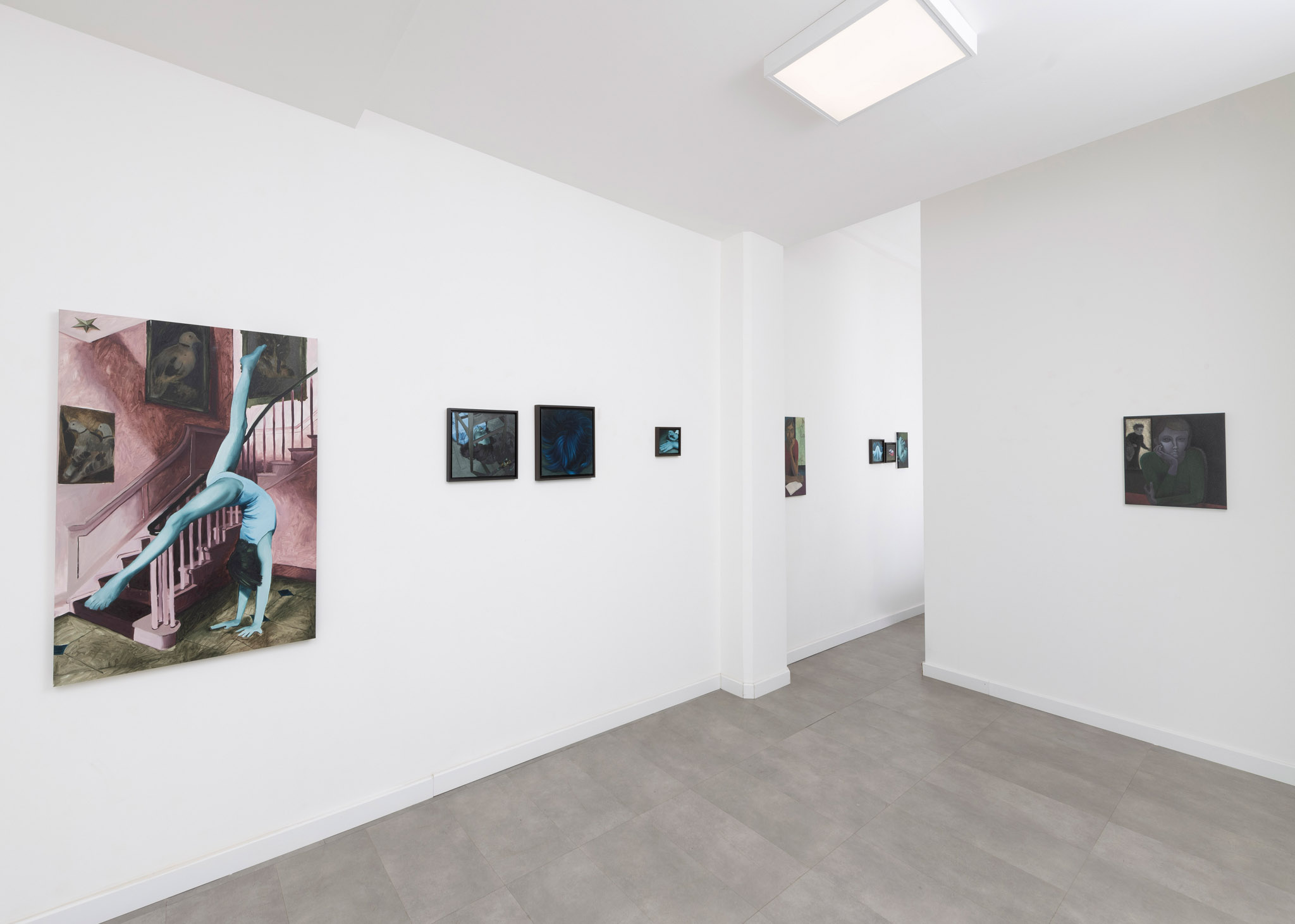
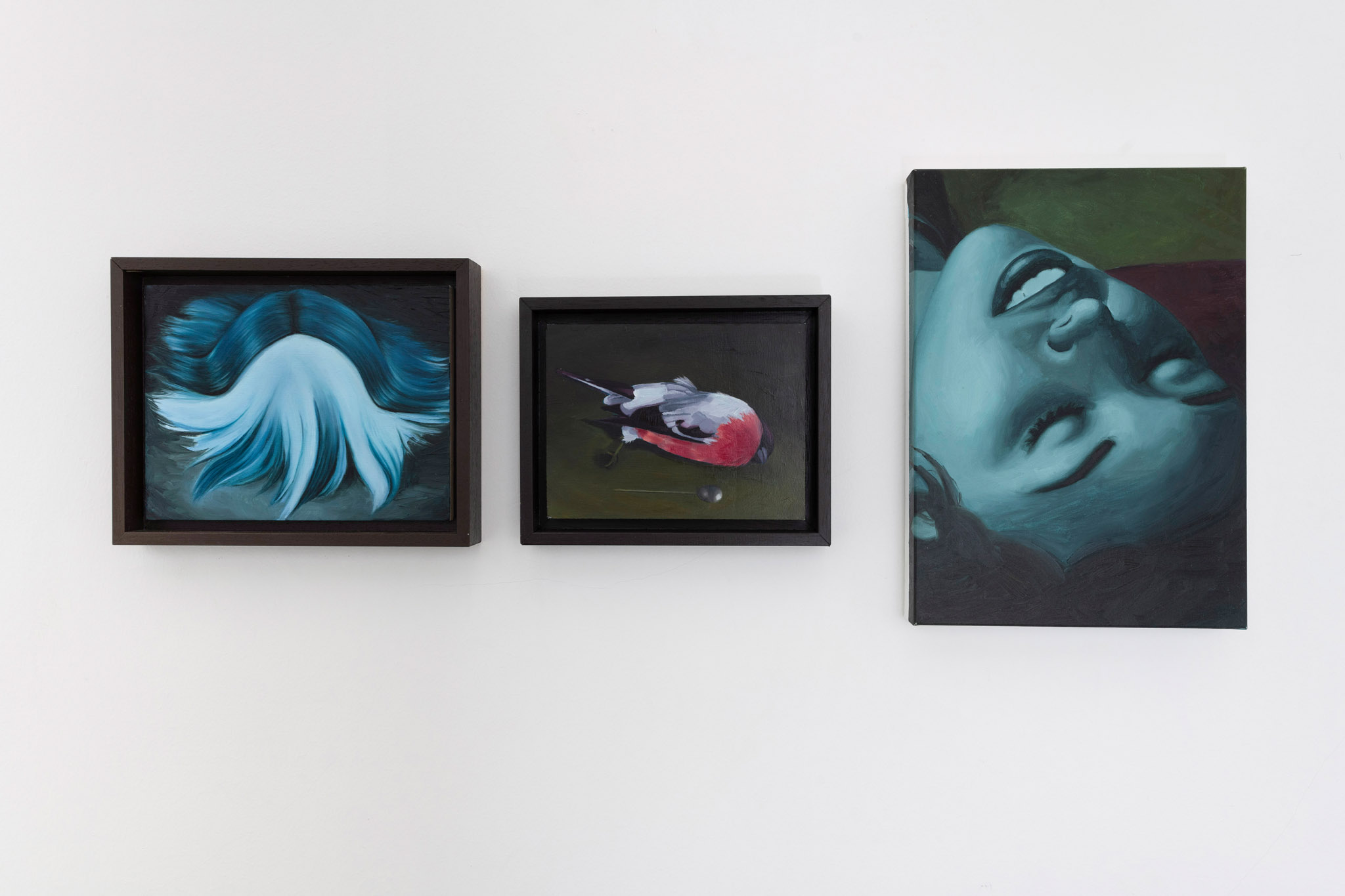
There are images that seem to belong to a world we recognise, and yet something within them resists familiarity. A gaze lingers a moment too long; a gesture remains suspended; a figure seems caught between presence and disappearance. Nothing necessarily announces itself as strange, and yet the atmosphere has shifted. It is this subtle dissonance, this barely perceptible disturbance beneath the surface, that lies at the heart of Strange Overtones.
Bringing together Richard Wathen and Cecilia Cocco at MONTI8 in Rome, the exhibition explores the mysterious territory where the visible meets the elusive, where an image becomes more than what it represents and begins to suggest an inner world of its own.
An overtone is a secondary vibration, a sound that accompanies a fundamental note and enriches its resonance. Sometimes almost imperceptible, it changes the way we experience what we hear. In a similar way, the works gathered here seem to carry an additional register: a psychological, emotional or uncanny presence that emerges gradually, unsettling our first impressions. The strange is not necessarily found in the subject itself, but in the sensation that surrounds it.
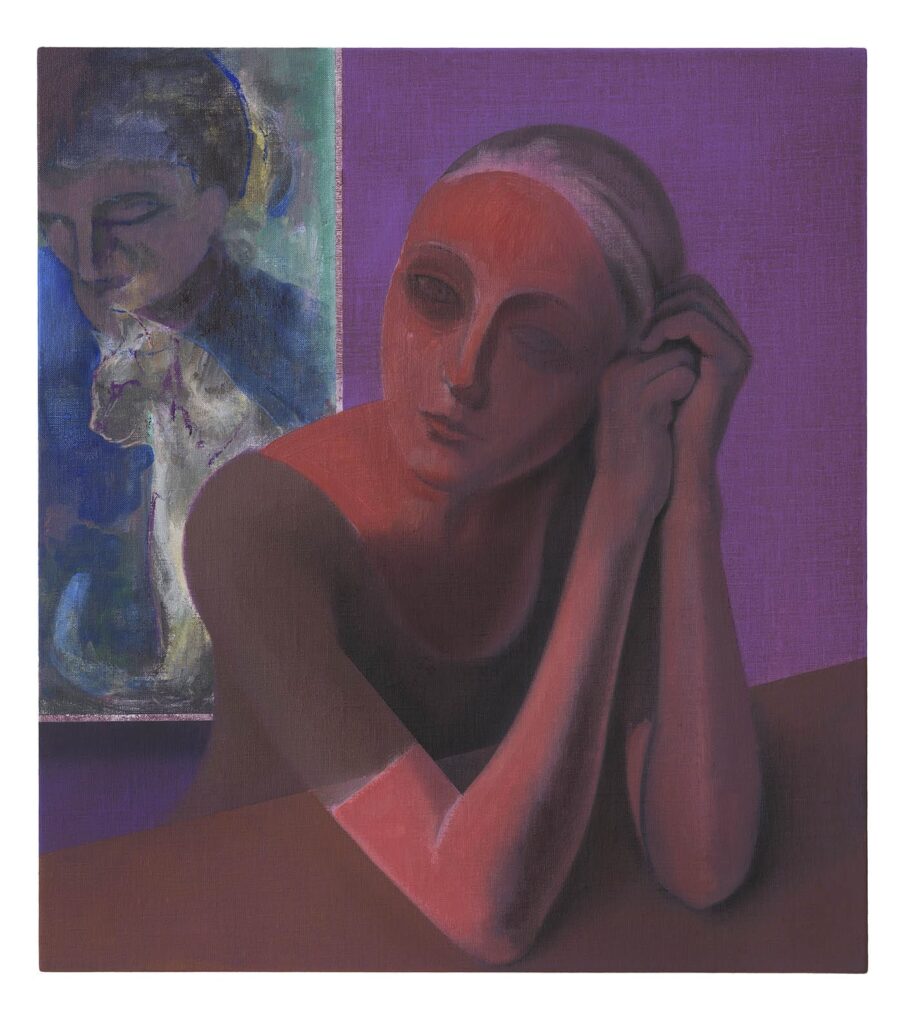
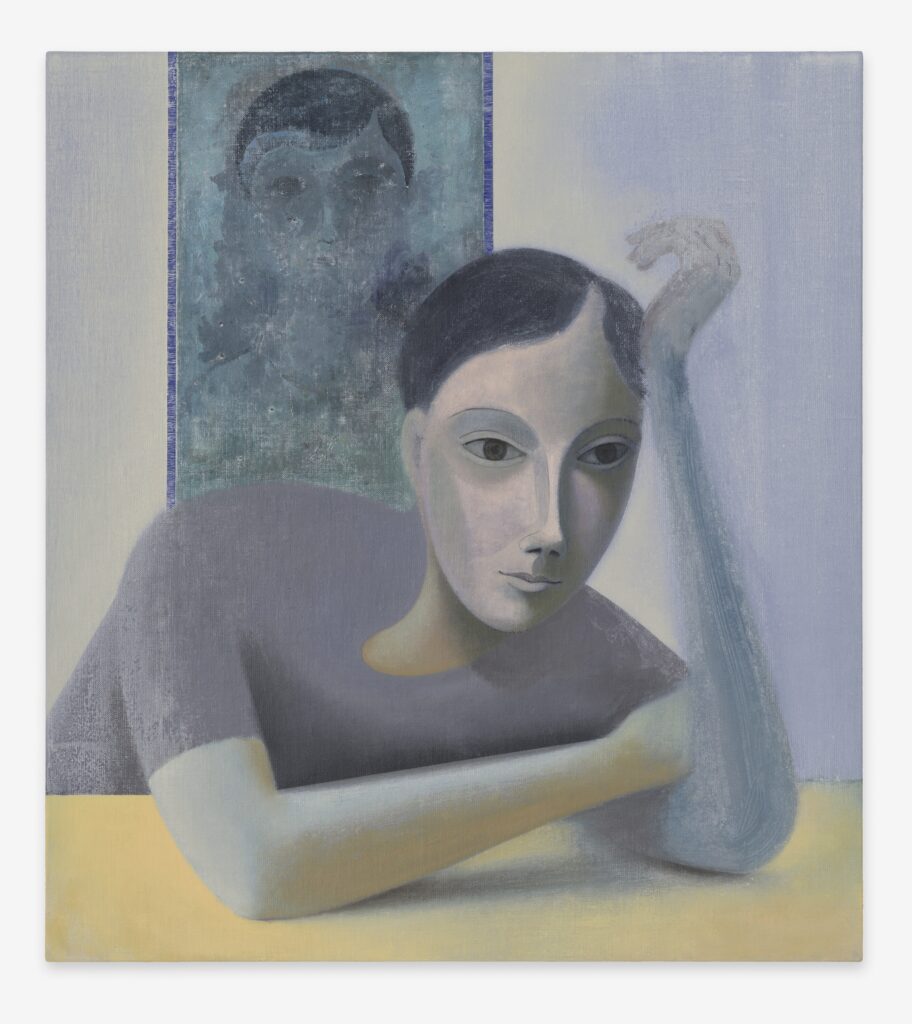
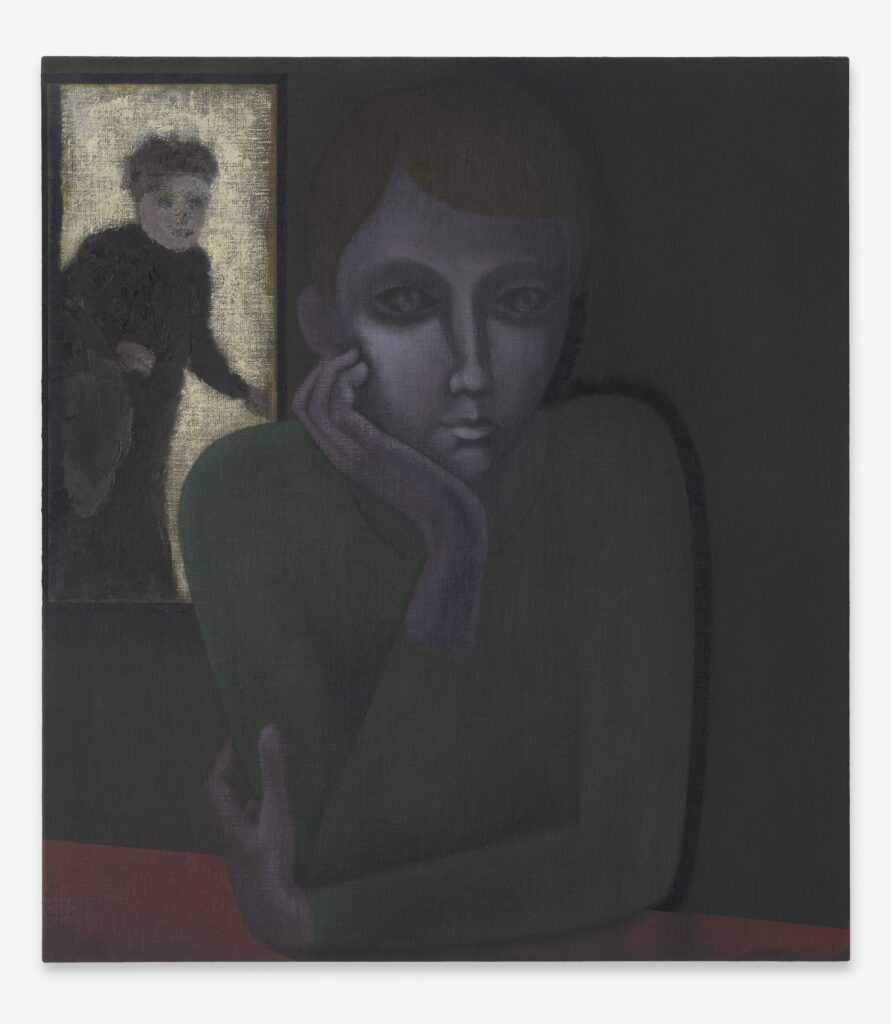
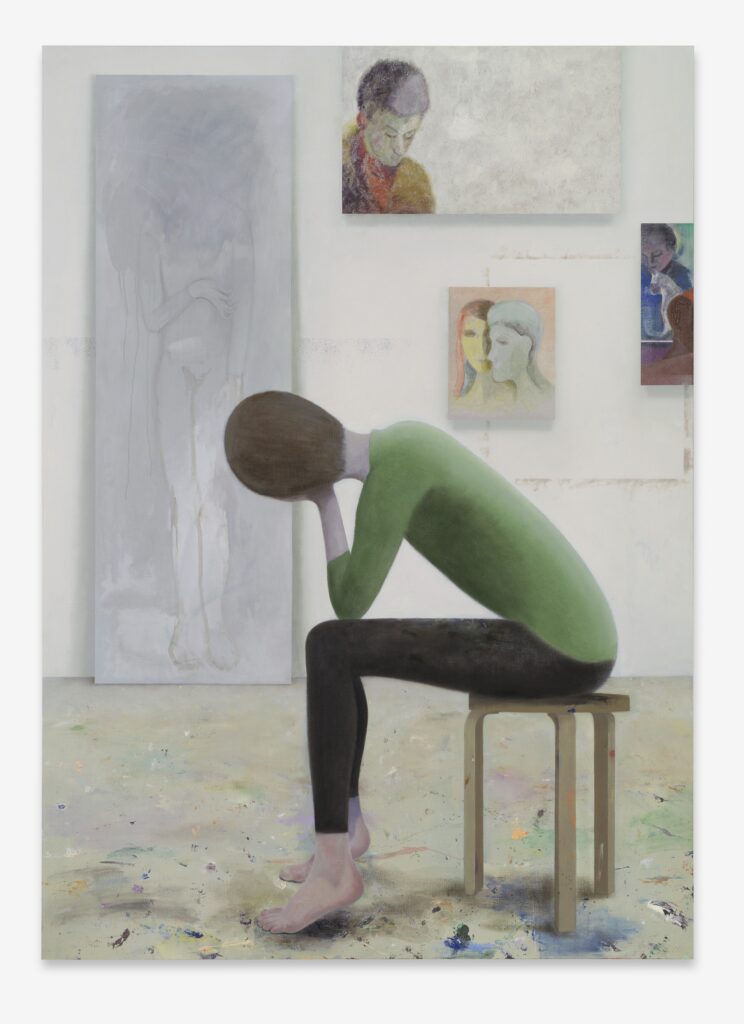
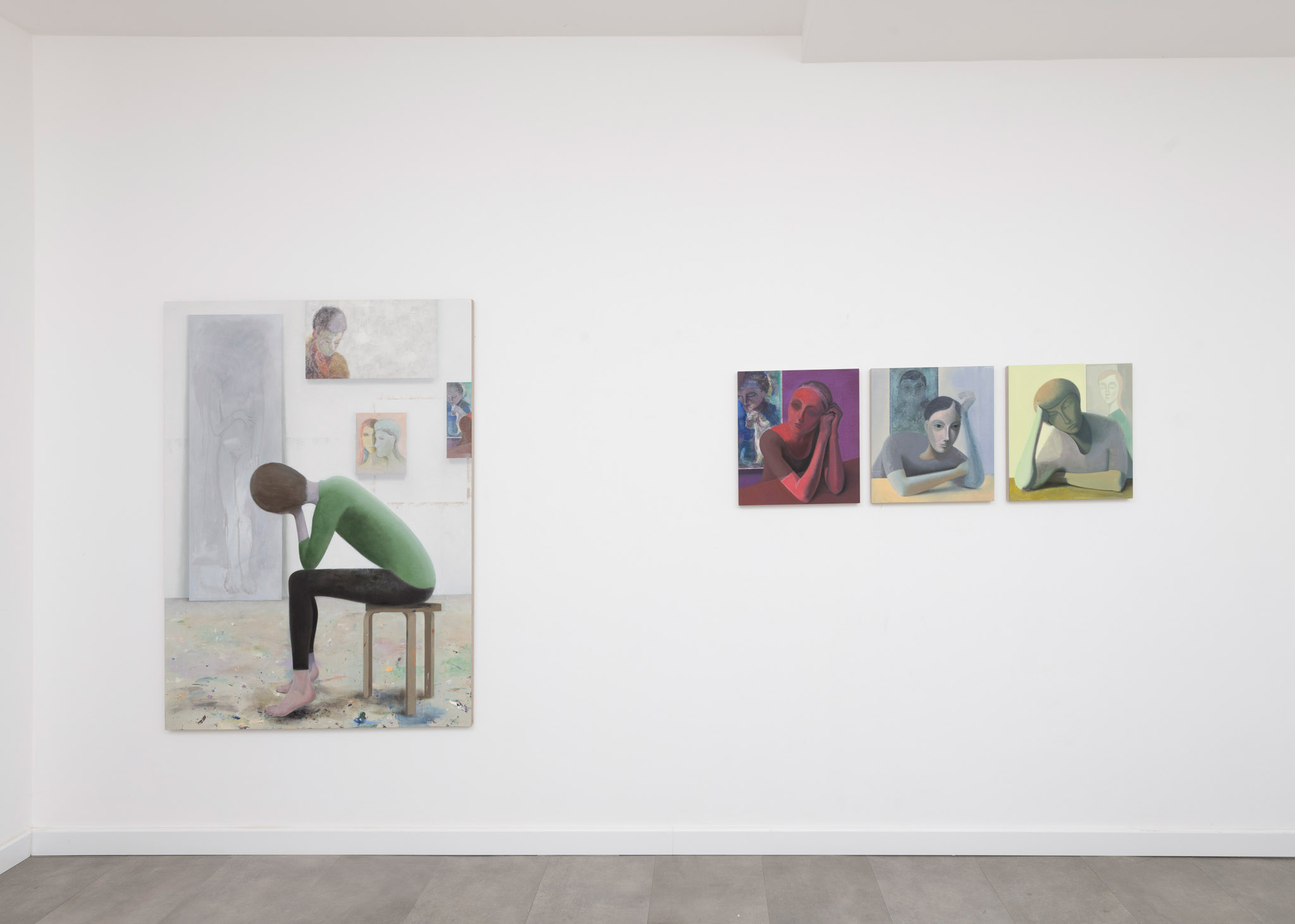
In Richard Wathen’s paintings, the human figure becomes a site of ambiguity. Drawing upon the traditions of portraiture while quietly subverting their conventions, Wathen creates enigmatic presences suspended outside any clearly identifiable time or place. His figures appear composed, introspective, sometimes almost classical in their stillness. Yet beneath this apparent serenity lies a subtle unease. Their identities remain elusive, their expressions difficult to decipher, as though several states of being might coexist within a single face. Neither entirely familiar nor wholly alien, they inhabit a psychological space in which portraiture becomes less an act of representation than an exploration of the unstable nature of identity.
Alongside this established and singular practice, Cecilia Cocco brings a different sensibility to the exhibition. Her presence introduces another voice into this shared field of uncertainty, one that invites us to consider how the familiar can be transformed through a shift in perception. Rather than seeking to resolve the image into a definitive meaning, her work can be approached as an invitation to remain attentive to what is fragile, ambiguous and still in the process of becoming. The encounter between the two artists opens a space in which images need not explain themselves, but can instead sustain questions, sensations and associations.
The dialogue between Wathen and Cocco does not depend upon similarity alone. It emerges through the intervals between their practices, through the contrasts and affinities that become perceptible when their works are placed in proximity. What one image leaves unspoken, another may seem to echo; what appears still in one work may find a counterpart in the shifting atmosphere of another. Their differences become essential to the experience, producing a visual and emotional counterpoint in which meaning is never entirely fixed.
Strange Overtone is therefore not simply an exhibition about strangeness. It is an invitation to recognise the strange within the ordinary, the invisible within the visible, and the unexpected emotional charge that can inhabit an image. It asks us to slow down, to look again, and to accept that what we see may never fully coincide with what we understand.
The artworks become part of a quiet yet persistent conversation. Each retains its own voice while contributing to a larger resonance, a kind of visual music whose meaning unfolds between presence and absence, recognition and uncertainty.
What remains is not a single narrative, but an afterimage, a sensation that continues to vibrate beyond the encounter itself.
Like an unfamiliar note lingering in the silence after a melody has ended, Strange Overtones invites us to listen to what images whisper beneath their surface
Jean Claude Geraud